CHRONIC ILLNESS & PAIN MANAGEMENT
Counselling and practical support for living with chronic pain and long-term illness
Hero / Introduction
Living with chronic illness or persistent pain can affect far more than the body. It can influence sleep, mood, relationships, work, confidence, identity and the way you think about the future.
At Centred Counselling & Mediation, the focus is not simply on asking, “How do we make the pain disappear?” It is also about helping you understand the patterns around your pain, manage the psychological impact of living with symptoms, and work towards functioning as fully as possible within your individual circumstances.
Chronic pain is real. So are the emotional and psychological effects that can come with living with it. Counselling can provide a space to understand those effects without dismissing the physical side of your condition.
Understanding Chronic Illness and Pain
Chronic illness can gradually change the way a person experiences everyday life. Activities that once felt ordinary may become difficult, and pain can begin to influence decisions about work, exercise, socialising and even leaving the house.
One of the central ideas behind this page is that pain management is not necessarily about waiting until you have no pain before you start living again. It can also involve gradually rebuilding function, understanding your boundaries and finding ways to prevent pain from becoming the centre of your entire life.
Living Beyond the Pain
The goal is not to pretend that pain is not there. It is to develop a healthier relationship with pain: understanding when to rest, when to adapt, when to keep moving and when a symptom needs appropriate medical attention.
For some people, this means gradually expanding what they can do. For others, it means learning how to manage the emotional consequences of an illness that may not simply go away.
Featured Article
When Rest Becomes Part of the Problem: Learning to Live Beyond Chronic Pain
This article looks at prolonged inactivity, fear of movement, graded activity, rebuilding functional boundaries and the psychological difference between reacting to pain and managing pain. It also includes Byron’s own experience of living with severe chronic pain and the importance he places on continuing to function in the normal world where appropriate.
Featured Video
From Athlete to Disabled: The Diagnosis That Changed Everything
A personal perspective on the transition from an active life to living with significant physical limitations and chronic illness.
Understanding Pain Flare-Ups
Flare-ups can feel unpredictable. Sometimes there is an obvious physical trigger; sometimes the increase in pain seems to come from nowhere. Keeping track of pain, sleep, activity, stress, thoughts and emotional state can help reveal patterns that are difficult to notice from day to day.
The aim is not to blame yourself for a flare-up. It is to become more informed about what may be influencing your pain and to identify patterns you can discuss with your healthcare team.
Featured Article
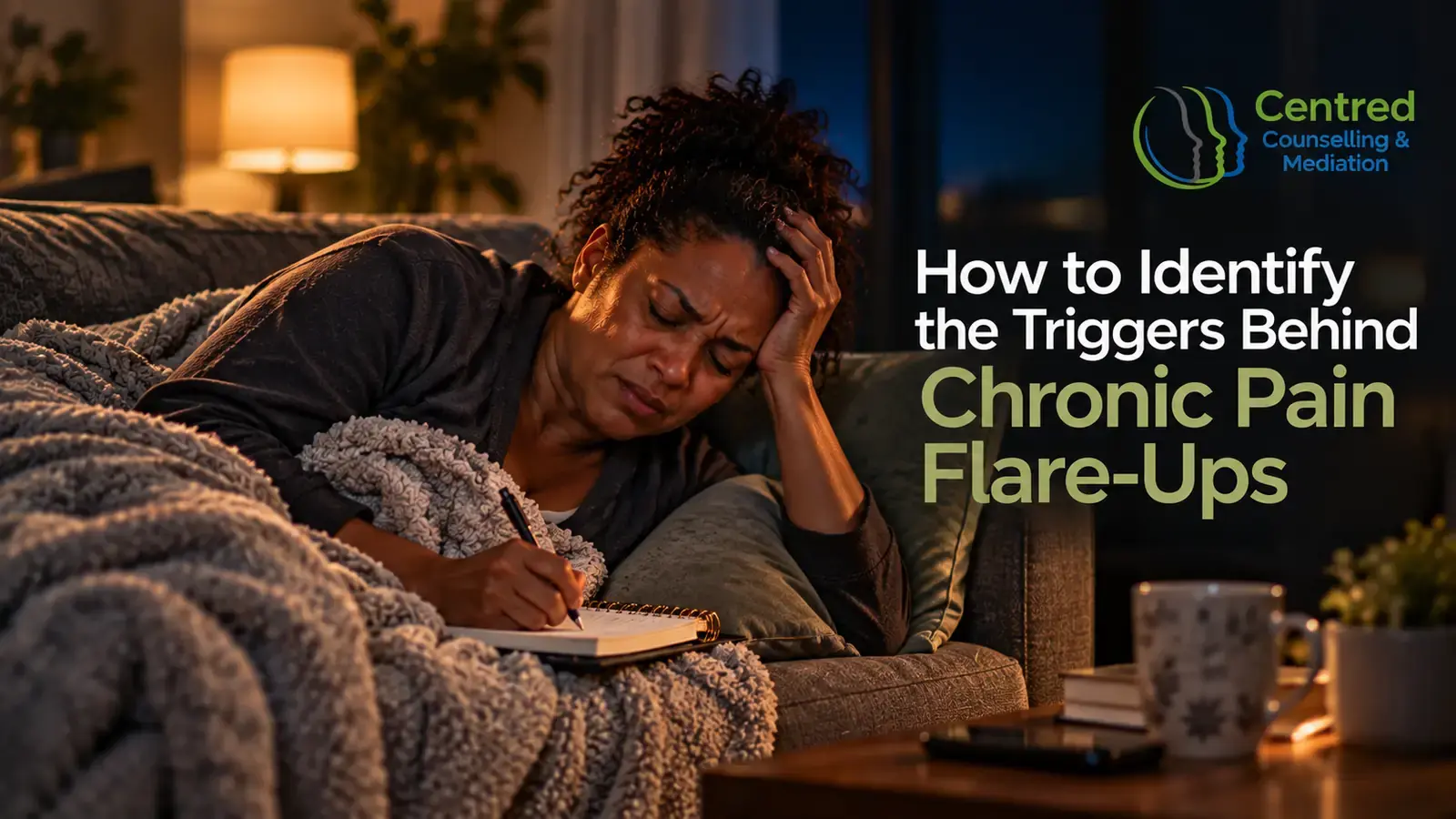
How to Identify the Triggers Behind Chronic Pain Flare-Ups
A practical guide to monitoring pain levels, sleep, activity, thoughts, psychological state and the events leading up to a flare-up. The article introduces a simple daily pain and trigger log and encourages readers to look for repeated patterns rather than trying to explain every single difficult day.
Featured Video
The Flare-Up No One Talks About in Chronic Illness and Pain
A discussion of the less visible and often misunderstood experience of chronic pain flare-ups.
Pain Volume: Stress, Anxiety and Chronic Pain
Pain does not always feel the same from one day to the next. Stress, anxiety, poor sleep, emotional strain and attention directed towards pain can all form part of the overall pain experience.
The “Pain Volume Theory” is a simple way of thinking about this. It is not a formal medical theory, but an analogy: your underlying physical condition may be present, while stress and other factors can sometimes turn the perceived volume of the pain up or down.
This does not mean that chronic pain is “all in your head.” It means that biological, psychological and social factors can interact, and that addressing psychological distress may provide another avenue for managing the overall pain experience.
Featured Article
Pain Volume Theory: Why Stress Can Turn Up the Volume on Chronic Pain
This article explains the relationship between stress, anxiety, sleep, attention and pain intensity, and discusses how psychological support and, where clinically appropriate, medication can form part of a broader pain-management approach.
Featured Video
The Truth About Chronic Illness: They Are Twice ...
A video exploring an often-overlooked reality of living with chronic illness and the way other people may misunderstand what they cannot see.
Finding Practical Ways to Manage Pain
Pain management often requires more than one strategy. Medication, medical treatment, physiotherapy, activity, psychological support and everyday coping strategies may all have a role depending on the individual and the underlying condition.
Even simple activities that redirect attention can sometimes be useful additions to a broader pain-management toolbox. The important distinction is that these strategies are not presented as cures and should not replace appropriate medical treatment.
Featured Article
Can Electronic Gaming Help Reduce Chronic Pain?
This article is based on Byron’s 2022 research proposal exploring whether electronic gaming could potentially provide short-term pain relief through distraction and cognitive engagement. The proposed research involved a Solomon Four-group design and a 20-minute gaming intervention. The article clearly distinguishes the proposed outcome from a completed research finding.
Featured Video
Nobody Talks About This Part ...
A personal discussion of an aspect of living with chronic illness that is often overlooked.
How Chronic Illness Counselling Can Help
• Processing the emotional impact of chronic illness or persistent pain
• Managing anxiety, stress, frustration and emotional exhaustion
• Understanding patterns around pain flare-ups
• Developing practical coping strategies
• Working on fear and avoidance around appropriate activity
• Adjusting to changes in identity, independence and daily functioning
• Improving communication with partners, family and other people who may not understand invisible illness
• Building realistic goals around function and quality of life
• Developing a broader pain-management toolbox alongside appropriate medical care
You Don't Have to Wait for Zero Pain to Start Living Again
One of the most difficult psychological effects of chronic pain is the belief that life can only resume once the pain improves. Sometimes the more useful question is not, “How much pain am I experiencing?” but, “What am I able to do today?”
That does not mean ignoring serious symptoms or pushing through everything. It means working within your individual medical and physical circumstances to maintain or gradually rebuild function where appropriate.
Who This Support Is For
Centred Counselling works with adults over the age of 16 experiencing chronic illness, persistent pain and the emotional or psychological challenges that can accompany them. Sessions are available in person in Sunninghill or online.
Frequently Asked Questions
Can counselling reduce physical pain?
Counselling does not treat the underlying medical cause of pain. However, psychological support may help with stress, anxiety, sleep, coping, attention, fear and the emotional impact of chronic pain. These factors can influence how pain is experienced and managed.
Does counselling mean my pain is psychological?
No. Chronic pain can have clear physical causes. Psychological support addresses the psychological and behavioural aspects that can exist alongside the physical condition.
Should I stop taking pain medication?
No. Medication decisions should be made with the appropriate prescribing healthcare professional. Counselling can form part of a broader pain-management approach rather than replacing medical treatment.
What if I am having a severe flare-up?
New, severe, unexplained or significantly changing symptoms should be assessed appropriately by a medical professional. Counselling can support the psychological and functional aspects of chronic pain, but it is not a substitute for medical assessment.
Local & Online Sessions
In-person counselling is available at Centred Counselling in Sunninghill, Sandton, Johannesburg. Online sessions are also available.
Call to Action
Living with chronic pain can make life feel smaller. The aim of counselling is not to tell you to ignore your pain. It is to help you understand what you are dealing with, develop practical strategies and work towards the fullest life possible within your circumstances.
Let’s get you back on track!