---
title: Children, Religion and Culture Before Marriage | Premarital Counselling
description: Before marriage, discuss whether to have children, how they may be raised, religious and cultural traditions, godparents and the life you want to build together.
image: https://www.centredcounselling.co.za/hubfs/Children_Religion_Culture_Before_Marriage_Under_100KB.webp
---
1332 Naivasha Road, Sunninghill
[info@centredcounselling.co.za](mailto:info@centredcounselling.co.za)
[084 485 3541](https://wa.me/27844853541)
[](https://www.centredcounselling.co.za/)
- [Home](https://www.centredcounselling.co.za)
- [About Me](https://www.centredcounselling.co.za/about-me)
- [Articles](https://www.centredcounselling.co.za/article)
- [Counselling](https://www.centredcounselling.co.za/counselling)
- [All Counselling Services](https://www.centredcounselling.co.za/counselling)
- [ADHD Counselling](https://www.centredcounselling.co.za/adhd-counselling-sunninghill)
- [Anger Management](https://www.centredcounselling.co.za/anger-management-sunninghill)
- [Chronic Pain Counselling](https://www.centredcounselling.co.za/chronic-pain-counselling-centred-counselling)
- [Grief Counselling](https://www.centredcounselling.co.za/grief-counselling-sunninghill)
- [LGBTQ+](https://www.centredcounselling.co.za/lgbtq-counselling-in-sandton-centred-counselling-mediation)
- [Marriage Counselling](https://www.centredcounselling.co.za/marriage-counselling-in-sunninghill-sandton-centred-counselling)
- [Porn Addiction](https://www.centredcounselling.co.za/porn-addiction-counselling-in-sandton-centred-counselling)
- [Premarital Counselling](https://www.centredcounselling.co.za/premarital-counselling-in-sunninghill-sandton-centred-counselling)
- [Relationship Counselling](https://www.centredcounselling.co.za/relationship-counselling-in-sunninghill-centred-counselling)
- [Mediation](https://www.centredcounselling.co.za/mediation)
- [Video Resources](https://www.centredcounselling.co.za/mental-health-vlogs-video-resources)
- [Contact](https://www.centredcounselling.co.za/contact-us)
- [Book NOW](https://www.centredcounselling.co.za/booking)
[BOOK NOW](https://www.centredcounselling.co.za/booking) [WHATSAPP US](https://wa.me/27844853541)
[CentredCounselling](https://www.centredcounselling.co.za/centred-counselling-blog/tag/centredcounselling) [Religion](https://www.centredcounselling.co.za/centred-counselling-blog/tag/religion)
# Children, Religion and Culture Before Marriage | Premarital Counselling

Byron Werbeloff
Author
Oct 22, 2026, 5:16:06 AM
**Premarital webpage email moved to Checked off.**
**Next: Children, Religion and Culture — 9 October 2026**
**Page title:** Children, Religion and Culture Before Marriage | Premarital Counselling
**Meta description:** Before marriage, discuss whether to have children, how they may be raised, religious and cultural traditions, godparents and the life you want to build together.
\[Download the supplied image\](C:/Users/cash/OneDrive/Desktop/webtemlates/centeredcounseling/blogs/Children\_Religion\_Culture\_Before\_Marriage\_Under\_100KB.webp)
---
# From the Counsellor’s Chair
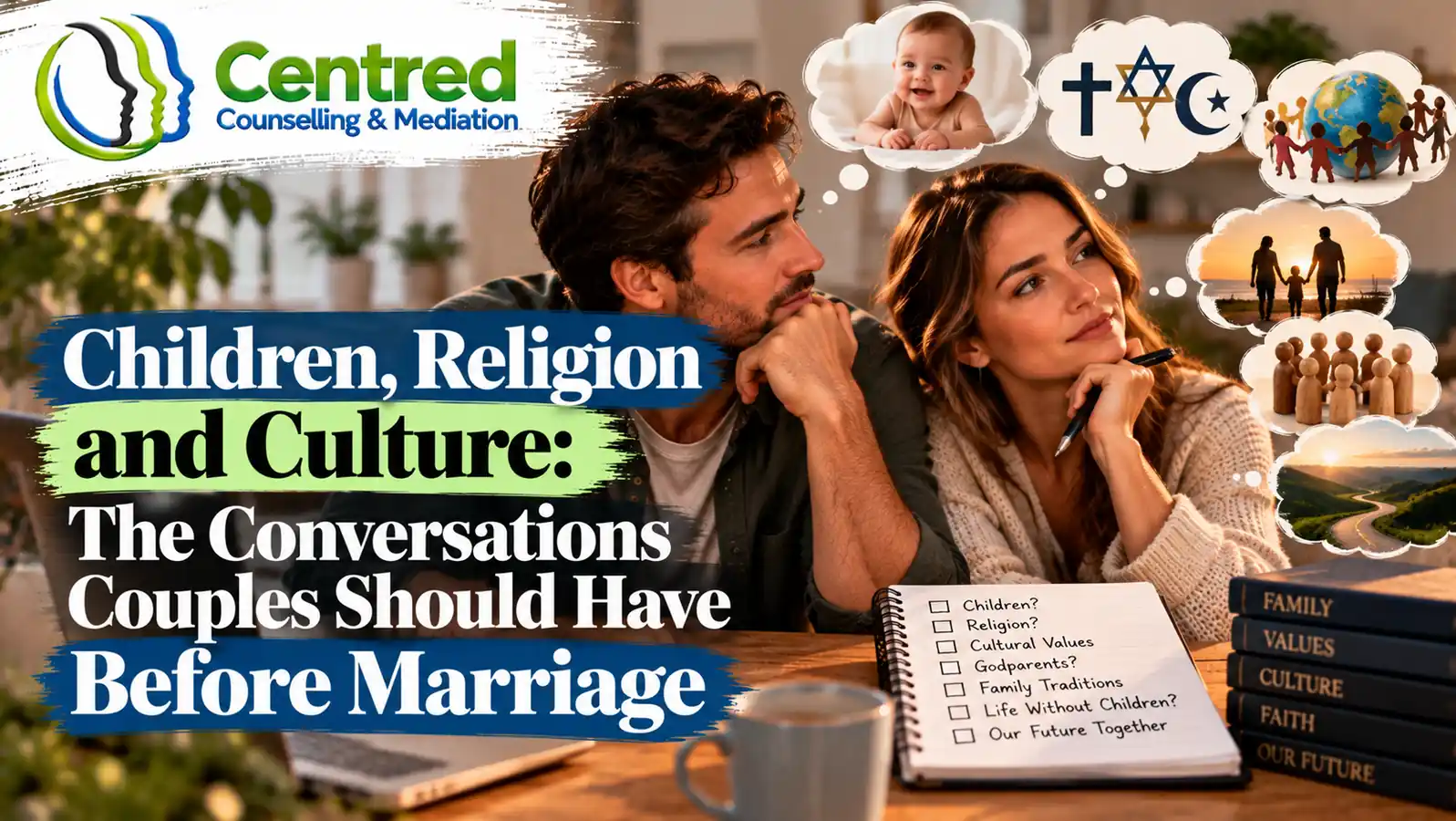
## Children, Religion and Culture: The Conversations Couples Should Have Before Marriage
### Before You Marry, Talk About the Life You Want to Build
When couples plan a wedding, it is easy to focus on the ceremony, the celebration and the practical arrangements. Yet some of the most important decisions concern what happens after the wedding: whether you want children, how you would raise them, what role religion or culture would play in family life, and what your future looks like if you decide not to become parents.
These questions can be emotionally significant because they are often connected to identity, family expectations, faith, belonging and personal values. Partners may assume they are on the same page without ever having discussed the details. One may expect children to be raised within a particular religion, while the other imagines allowing them to choose later. One may see cultural traditions as essential; the other may want a more secular household.
There is no single answer that suits every couple. The important thing is to discuss these issues openly and respectfully before marriage, rather than assuming love will resolve differences later.
### 1. Do We Both Want Children?
This is one of the most consequential conversations a couple can have. Do both of you want children? If so, do you have a similar idea of when you might want to start a family? If one partner is unsure, what does that uncertainty mean, and how much time do you both need to reflect?
Avoid treating the question as something that can simply be postponed until after the wedding. People can change their minds, and life circumstances can change, but neither partner should enter marriage assuming the other will eventually agree with them.
Discuss what parenthood means to each of you, including the emotional, practical and financial responsibilities. Consider how you might respond if you experience fertility difficulties, if pregnancy is medically complicated, if you decide to pursue adoption where available, or if circumstances mean you do not have children. These possibilities do not need to be solved in one conversation, but they are worth approaching honestly.
The goal is not to pressure a partner into wanting children. It is to understand each other’s hopes and limits and decide whether your visions for the future are compatible.
### 2. If We Have Children, What Role Will Religion Play?
Religion can shape a family’s routines, celebrations, moral framework, community and sense of belonging. Couples may share the same faith but differ in how actively they practise it. Others may come from different religious backgrounds, or one or both partners may not identify with a religion.
Discuss questions such as:
- Will religion be part of our children’s upbringing? If so, which faith or tradition will guide that upbringing?
- Will children attend religious services, classes or community events?
- Are there rituals, ceremonies or milestones that one or both families consider important?
- What will we say if our children ask difficult questions about faith, doubt or different beliefs?
- How will we respond if a child later chooses a different belief system—or no religion?
- Are there practices that either partner would find unacceptable or that need to be discussed carefully?
These conversations are not about proving one belief right or wrong. They are about understanding what each partner considers important and agreeing on a way forward that both can genuinely support. If you come from different faith backgrounds, be specific rather than relying on broad statements such as “we will expose them to both.” Talk about what that would mean in everyday life.
### 3. Which Cultural Traditions Do We Want to Keep?
Culture can influence language, food, family gatherings, celebrations, naming traditions, expectations of elders, and the way families mark important life events. Some traditions may be central to one partner’s identity, while the other may be unfamiliar with them or have a different relationship with their own cultural background.
Discuss which traditions you want to carry into your shared life and, if you have children, which you hope to pass on. How will you celebrate holidays? Which languages might be spoken at home? Are there cultural expectations about family roles, respect, ceremonies or extended-family involvement that you need to understand?
You do not have to preserve every tradition, and you do not have to choose only one partner’s background. Couples can create their own family culture by deciding together what they value, what they want to adapt and what they do not want to continue.
### 4. How Do We Want Our Children to Relate to Other People?
Parents often want to raise kind, respectful and responsible children, but they may have different ideas about what those qualities look like in practice. Discuss the values you hope to model and teach.
For example, talk about how you want to approach kindness, honesty, boundaries, empathy, discipline, friendships, respect for people with different beliefs and cultures, and the way children should respond to adults. Consider how you will handle bullying, peer pressure, online behaviour and disagreements between siblings.
Also discuss how you will respond when your child’s views differ from yours. Will questions be welcomed? How will you distinguish between respectful disagreement and behaviour that requires a boundary? The goal is not to plan every detail of parenting in advance, but to build a shared foundation for making decisions together.
### 5. Who Would We Choose as Godparents or Important Adult Mentors?
For some couples, choosing godparents is a religious decision with specific requirements. For others, the idea may be more about choosing trusted adults who will play a meaningful role in a child’s life. The term and expectations can vary by faith and family tradition.
Discuss whether godparents or similar mentors are important to either of you, what role you expect them to play, and whether there are religious or cultural requirements you want to honour. Consider the qualities that matter: reliability, care for the child, respect for your parenting approach and a relationship that is likely to remain supportive over time.
It is also worth distinguishing a symbolic or spiritual role from legal guardianship. If you want someone to care for a child if you are unable to do so, obtain appropriate legal advice and make formal arrangements rather than assuming the title of godparent gives someone legal authority.
### 6. If We Do Not Have Children, What Kind of Life Do We Want?
A fulfilling marriage does not have to follow one prescribed path. Some couples do not want children; others are undecided, experience infertility or find that circumstances change their plans. What matters is that both partners can discuss the possibility honestly and without pressure or shame.
Talk about how you imagine your life together if you do not become parents. What role will religion or cultural traditions play in your household? How would you like to spend your time, build friendships, support extended family, travel, pursue careers or contribute to your community? What gives each of you a sense of purpose and belonging?
If one partner strongly wants children and the other strongly does not, this may be a fundamental difference rather than a small compromise. It deserves careful and honest consideration before marriage. Neither person should be pressured into parenthood or expected to abandon a deeply held life choice without genuine reflection.
### 7. How Will We Handle Pressure From Our Families?
Parents and extended family members may have strong expectations about grandchildren, religious ceremonies, naming traditions, cultural practices or the way children should be raised. Those expectations may come from love and a desire to pass on family identity, but they can still create tension for a couple.
Discuss how you will respond if relatives disagree with your decisions. What information about your future children is private? How will you handle requests or criticism respectfully? How will you support each other without automatically assuming that either family’s preferences should determine the outcome?
A useful principle is to listen respectfully to family members while recognising that the couple needs to make its own decisions about its shared life and parenting approach.
### 8. Make Room for Future Change and Honest Questions
A couple cannot predict every change in belief, identity, health, fertility or family circumstances. One partner may become more religious over time; another may become less involved. Children may ask questions neither parent expected. Cultural traditions may take on new meaning as the family grows.
Rather than demanding certainty about every future scenario, agree on how you will revisit important questions. Can you talk about changes without ridicule or threats? Can you listen when one partner’s views develop? Can you make a joint decision when there is no perfect solution?
A good agreement is not necessarily one that answers every question today. It is one that gives you a respectful way to keep discussing the questions as life unfolds.
### One Plus One Equals Three: Create a Shared Family Vision
At Centred Counselling & Mediation, “One Plus One Equals Three” describes the idea that two people can combine their strengths and perspectives to build something more effective than either could create alone. When planning a family, this means neither partner’s background should automatically dominate, and neither person should be expected to erase their identity.
One partner may bring a strong connection to religious traditions, while the other may be skilled at encouraging open discussion and curiosity. One may know a great deal about cultural customs, while the other may offer a different perspective on boundaries and independence. These strengths can help the couple build a thoughtful family culture—if they discuss their differences honestly and agree on what they want to pass on.
The goal is not to win a debate about whose traditions matter more. It is to create a shared vision that both partners understand and can support, while making room for children to grow into their own identities.
### How Premarital Counselling Can Help
Premarital counselling provides a structured space to discuss children, religion, culture, parenting values and family boundaries. A counsellor can help couples clarify assumptions, listen to each other’s concerns and identify areas where they need to make a decision or continue exploring.
The aim is not to tell a couple whether they should have children or which religion or culture they should follow. Those decisions belong to the couple. Counselling can help ensure that the decisions are informed, voluntary and discussed with respect.
If the two of you have very different expectations, addressing them before marriage can help you understand whether a workable agreement is possible, rather than discovering the depth of the difference only after a major life decision.
### Questions Couples Often Ask
#### Should we decide how to raise children before getting married?
It is helpful to discuss your broad expectations before marriage, including whether you want children, the role of religion and culture, parenting values and how you will make decisions together. You will not be able to plan every detail.
#### What if we belong to different religions?
Discuss what each faith means to you in practice, which traditions you want to maintain and how you would approach children’s religious upbringing. Avoid assuming that general goodwill will resolve specific questions.
#### What if one partner wants children and the other does not?
Treat this as a potentially fundamental difference. Explore each person’s wishes honestly and without pressure. Do not assume one partner will change their mind after marriage.
#### Do godparents automatically become legal guardians?
No. The title of godparent does not automatically confer legal guardianship. If you want to plan who would care for a child, seek appropriate legal advice and make formal arrangements.
#### What if our views on religion or culture change later?
Agree to revisit important questions respectfully. Shared decisions can evolve, but changes that affect children or the family’s daily life need open discussion rather than unilateral assumptions.
### Discuss the Future You Want Before You Commit to It
You do not need to know every detail of your future family. You do need to understand what matters deeply to each of you, be honest about major differences and agree on how you will make decisions together.
Whether you hope to have children or build a life without them, conversations about religion, culture, values and family expectations can help you enter marriage with greater clarity and mutual respect.
Premarital counselling at Centred Counselling & Mediation in Sunninghill, Sandton, can help you explore these questions and develop a shared vision for your future.
Let’s get you back on track!
**Tagged with:** [CentredCounselling](https://www.centredcounselling.co.za/centred-counselling-blog/tag/centredcounselling) [Religion](https://www.centredcounselling.co.za/centred-counselling-blog/tag/religion)

#### Byron Werbeloff
KEEP READING
## Related Articles
[](https://www.centredcounselling.co.za/centred-counselling-blog/the-biggest-mistakes-couples-make-before-getting-married-9-october-2026)
Oct 22, 2026, 5:22:21 AM Byron Werbeloff
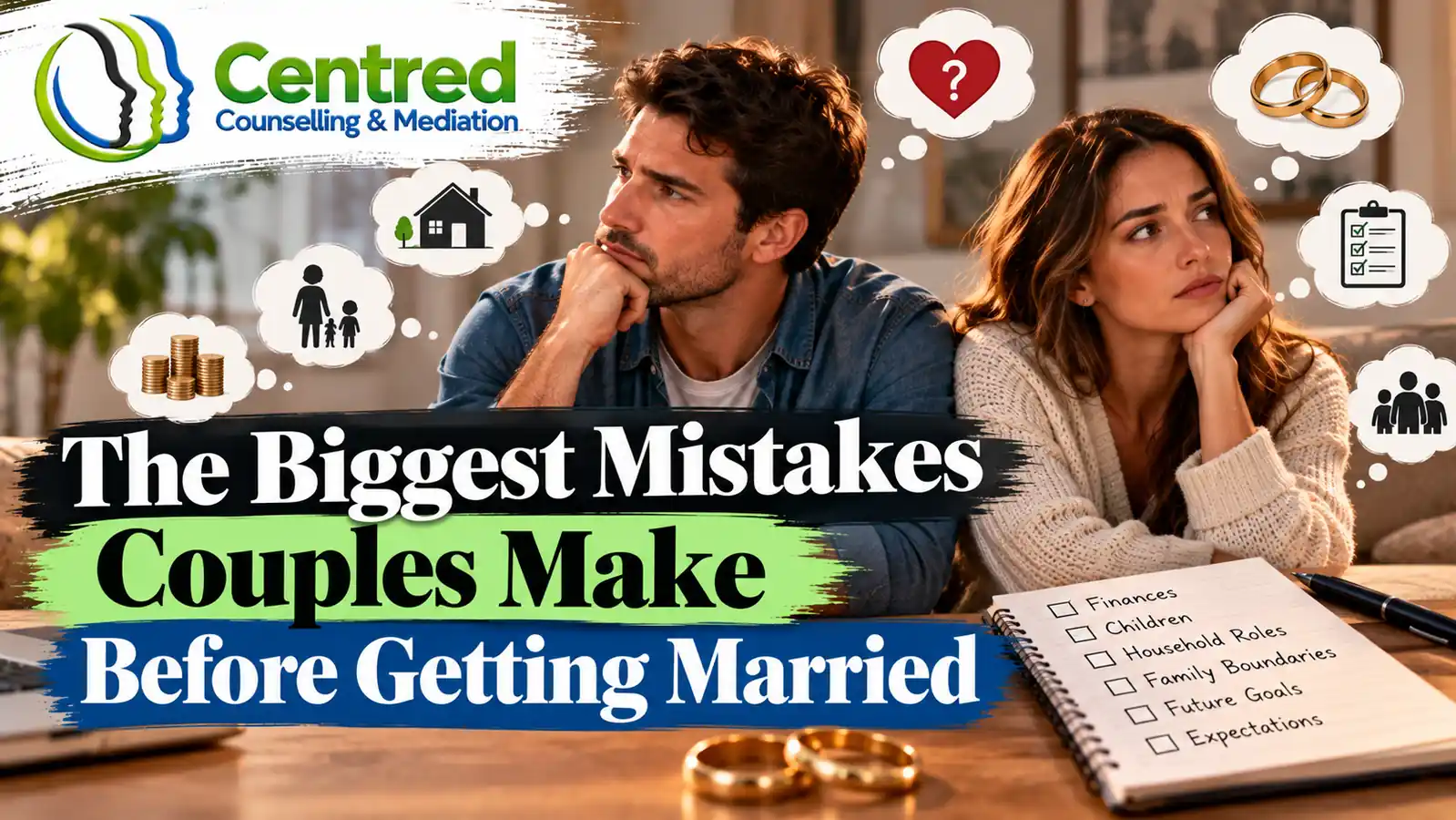
### [The Biggest Mistakes Couples Make Before Getting Married — 9 October 2026](https://www.centredcounselling.co.za/centred-counselling-blog/the-biggest-mistakes-couples-make-before-getting-married-9-october-2026)
**Ready for Marriage email moved to Checked off.**
[READ FULL ARTICLE](https://www.centredcounselling.co.za/centred-counselling-blog/the-biggest-mistakes-couples-make-before-getting-married-9-october-2026)
[](https://www.centredcounselling.co.za/centred-counselling-blog/lgbtq-relationships-rejection-family-pressure-and-conflict-centred-counselling)
Oct 22, 2026, 4:45:15 AM Byron Werbeloff
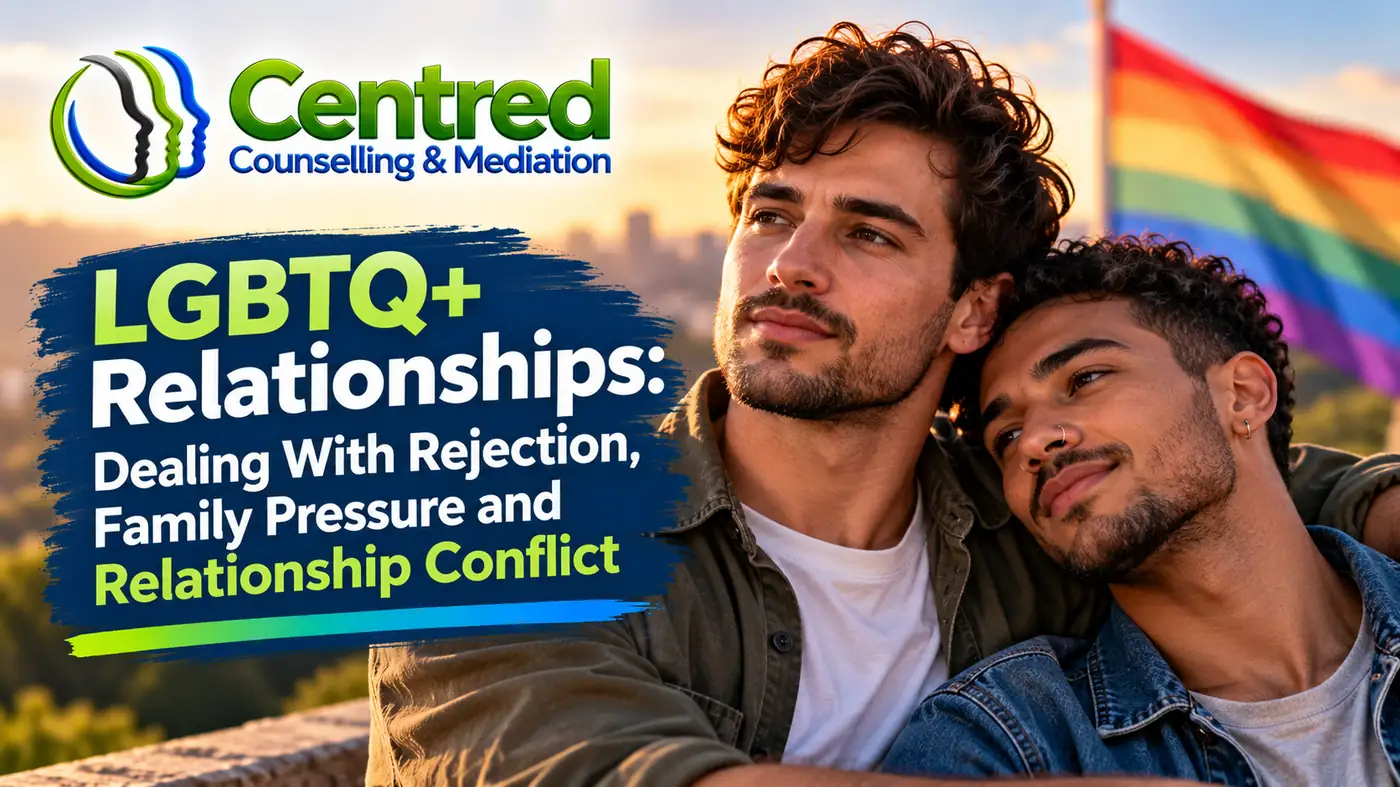
### [LGBTQ+ Relationships: Rejection, Family Pressure and Conflict | Centred Counselling](https://www.centredcounselling.co.za/centred-counselling-blog/lgbtq-relationships-rejection-family-pressure-and-conflict-centred-counselling)
**Polyamory and Open Relationships email moved to Checked off.**
[READ FULL ARTICLE](https://www.centredcounselling.co.za/centred-counselling-blog/lgbtq-relationships-rejection-family-pressure-and-conflict-centred-counselling)
[](https://www.centredcounselling.co.za/centred-counselling-blog/10-signs-of-porn-addiction-centred-counselling)
Oct 22, 2026, 3:40:34 AM Byron Werbeloff
### [10 Signs of Porn Addiction | Centred Counselling](https://www.centredcounselling.co.za/centred-counselling-blog/10-signs-of-porn-addiction-centred-counselling)
# From the Counsellor’s Chair
## Porn Addiction: 10 Warning Signs That Your Porn Use Is Becoming a Problem
Pornography use becomes a concern not...
[READ FULL ARTICLE](https://www.centredcounselling.co.za/centred-counselling-blog/10-signs-of-porn-addiction-centred-counselling)
Empowering individuals and couples through evidence-based counselling and mediation. Registered ASCHP professional (WC24/9024).
Quick Links
- [Home](https://www.centredcounselling.co.za)
- [About Me](https://www.centredcounselling.co.za/about-me)
- [Articles](https://www.centredcounselling.co.za/article)
- [Counselling](https://www.centredcounselling.co.za/counselling)
- [Mediation](https://www.centredcounselling.co.za/mediation)
- [Video Resources](https://www.centredcounselling.co.za/mental-health-vlogs-video-resources)
- [Contact](https://www.centredcounselling.co.za/contact-us)
- [Book NOW](https://www.centredcounselling.co.za/booking)
Resources
- [FAQ](https://www.centredcounselling.co.za/counselling#faq)
- [FAQ Mediation](https://www.centredcounselling.co.za/mediation#faq)
- [Downloads](https://www.centredcounselling.co.za/article#resources)
- [Cookie Policy](https://www.centredcounselling.co.za/terms-conditions-policies#cookies)
- [Privacy Policy](https://www.centredcounselling.co.za/terms-conditions-policies#privacy)
- [Terms and Conditions](https://www.centredcounselling.co.za/terms-conditions-policies#terms)
Get in Touch
Call Us [084 485 3541](tel:0844853541)
WhatsApp [Chat with us](https://wa.me/27844853541)
Email Us [info@centredcounselling.co.za](mailto:info@centredcounselling.co.za)
© 2026 Centred Counselling & Mediation. All rights reserved.
[Design by SEO Website Design](https://www.seowebsitedesign.co.za)
[Chat with us](https://wa.me/27844853541)
```json
{
"@context" : "https://schema.org",
"@type" : "BlogPosting",
"author" : {
"@type" : "Person",
"name" : "Byron Werbeloff",
"url" : "https://www.centredcounselling.co.za/centred-counselling-blog/author/byron-werbeloff"
},
"dateModified" : "2026-10-22T09:16:06.809Z",
"datePublished" : "2026-10-22T09:16:06.000Z",
"headline" : "Children, Religion and Culture Before Marriage | Premarital Counselling",
"image" : [ "https://www.centredcounselling.co.za/hubfs/Children_Religion_Culture_Before_Marriage_Under_100KB.webp" ],
"mainEntityOfPage" : {
"@id" : "https://www.centredcounselling.co.za/centred-counselling-blog/children-religion-and-culture-before-marriage-premarital-counselling",
"@type" : "WebPage"
},
"publisher" : {
"@type" : "Organization",
"logo" : {
"@type" : "ImageObject",
"url" : "https://www.centredcounselling.co.za/hubfs/logo.jpeg"
},
"name" : "Centred Counselling"
}
}
```
```json
{
"@context": "https://schema.org",
"@type": "LocalBusiness",
"name": "Centred Counselling & Mediation",
"image": "https://www.centredcounselling.co.za/hubfs/logo1.png",
"@id": "https://www.centredcounselling.co.za",
"url": "https://www.centredcounselling.co.za",
"telephone": "0844853541",
"email": "info@centredcounselling.co.za",
"address": {
"@type": "PostalAddress",
"streetAddress": "153A 9th Avenue",
"addressLocality": "Highlands North",
"addressRegion": "Johannesburg",
"postalCode": "2192",
"addressCountry": "ZA"
},
"geo": {
"@type": "GeoCoordinates",
"latitude": -26.1368,
"longitude": 28.0841
},
"openingHoursSpecification": {
"@type": "OpeningHoursSpecification",
"dayOfWeek": [
"Monday",
"Tuesday",
"Wednesday",
"Thursday",
"Friday"
],
"opens": "08:00",
"closes": "18:00"
},
"sameAs": [
"https://www.facebook.com/profile.php?id=61573738539849",
"https://www.instagram.com/centred_counselling/",
"https://www.linkedin.com/in/byron-werbeloff-475bb251/",
"https://www.tiktok.com/@centred.counselli"
],
"founder": {
"@type": "Person",
"name": "Byron Werbeloff",
}
}
```